
Capture instantly
Save ideas the moment they appear, without disrupting your workflow.

Strategy
Capture ideas before they disappear. Turn them into structured objectives when the time is right.
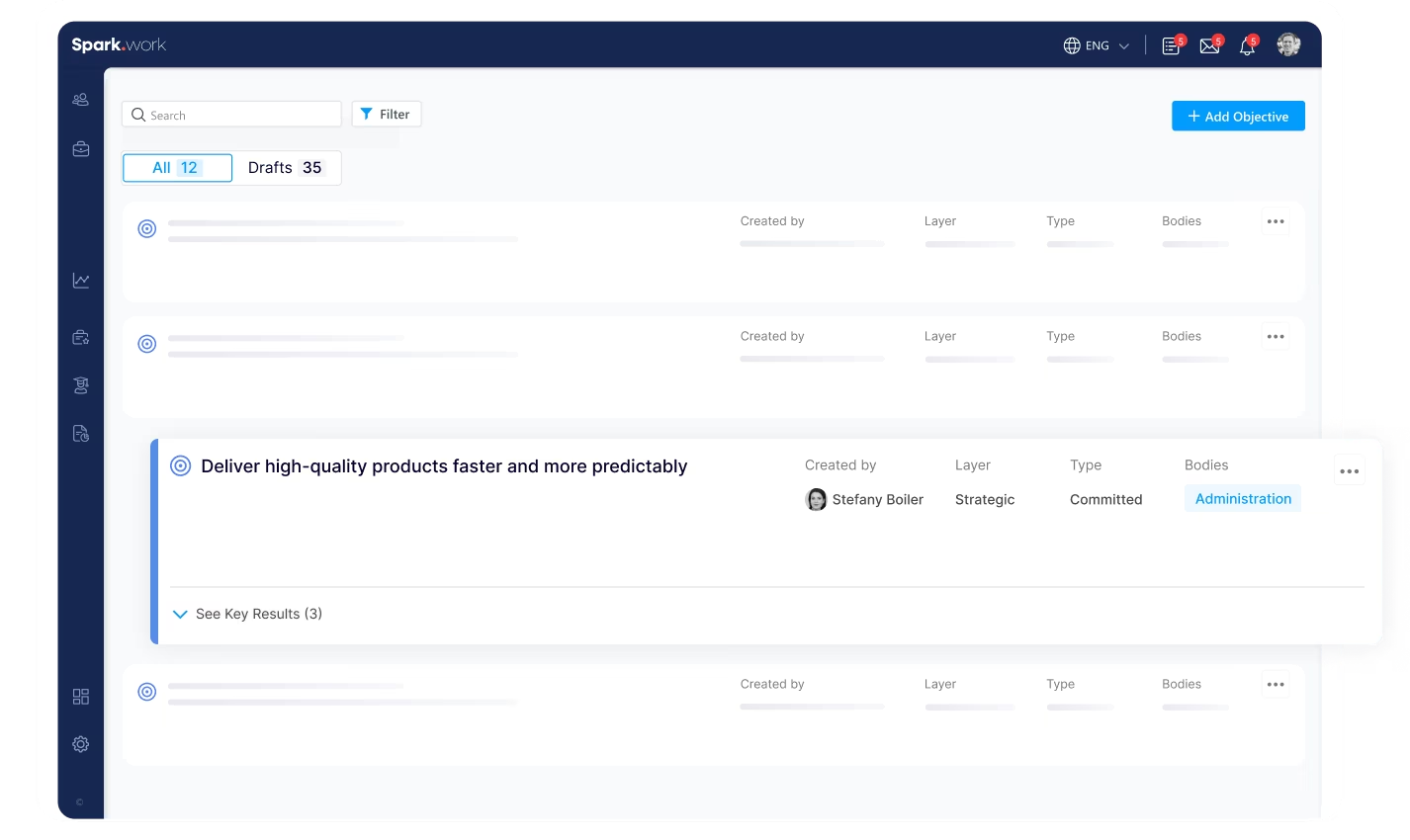
Save ideas the moment they appear, without disrupting your workflow.
Keep ideas in draft form until they are ready to be structured.
Turn backlog items into active Objectives when timing and priorities align.
Keep valuable ideas visible, even when execution is not immediate. The Backlog acts as a central space for storing Objectives that are not yet active. Instead of losing ideas in notes or conversations, they are captured inside the system and remain connected to execution.
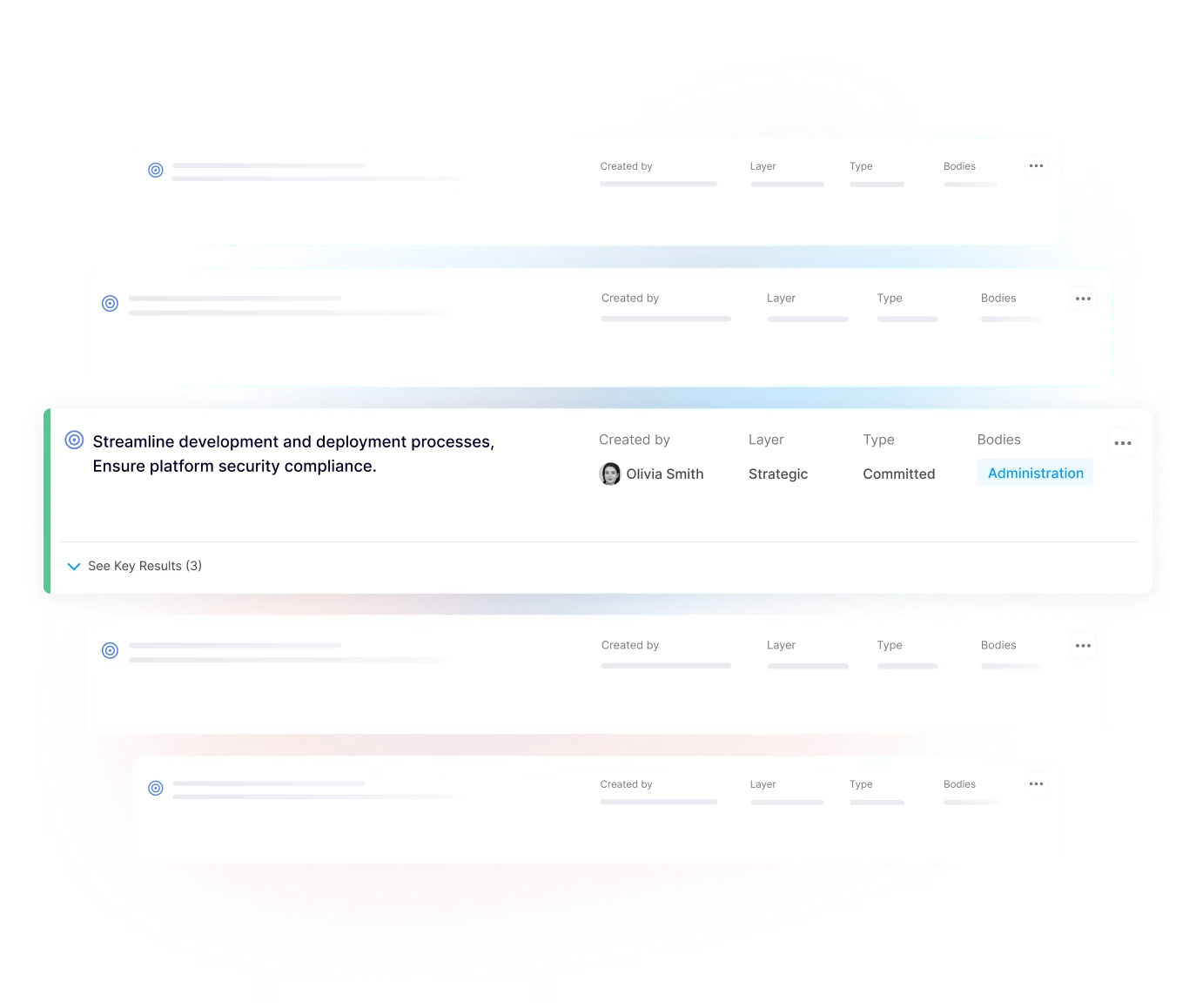
Activate ideas when they are ready to become part of execution. Backlog items can be reviewed, refined, and activated as full Objectives. This ensures that only the right ideas move forward, at the right time.

FAQ
The Backlog is a structured space for capturing ideas that are not yet part of active execution. It allows teams to store potential Objectives without losing them in day-to-day work.
Use the Backlog when you have ideas, initiatives, or potential Objectives that are not yet ready to be executed. It helps you capture intent early and revisit it when priorities align.
Backlog items are not part of active execution. They are saved as drafts or inactive Objectives. Active Objectives, on the other hand, are fully integrated into execution, tracking, and performance measurement.
Yes. Backlog items can be reviewed, refined, and activated as full Objectives when they are ready to be executed.
Visibility depends on permissions and structure. Backlog items can be viewed at personal, team, or organizational levels, depending on how they are created and shared.
Without a structured backlog, valuable ideas are often lost or forgotten. The Backlog ensures that potential initiatives are captured, organized, and available when the timing is right.
No. Backlog items remain separate from active execution until they are activated. This keeps current priorities focused while still preserving future ideas.
The Backlog provides a pool of structured ideas that can be reviewed during planning cycles. This helps teams select and activate the most relevant Objectives without starting from scratch.