
Scheduled Value Reinforcement
Keep your Vision, Mission, and Values active through automated web and mobile reminders.

STRATEGY, OPERATIONALIZED
Defining values is not enough. They must be reinforced, demonstrated, and measured. Spark.work turns culture into a continuous system.
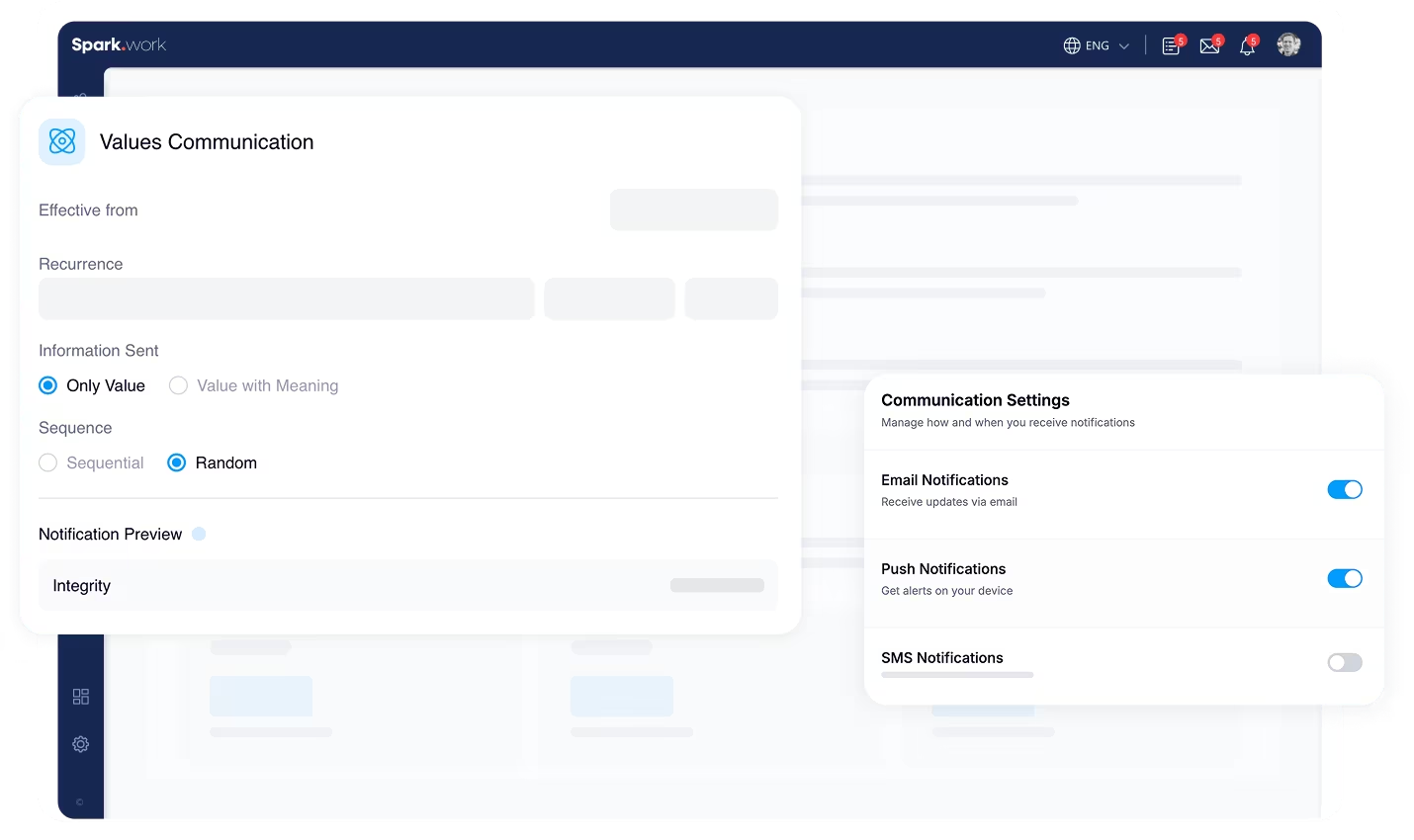
Keep your Vision, Mission, and Values active through:
Keep your Vision, Mission, and Values active through automated web and mobile reminders.
Reinforce cultural priorities through structured, repeatable communication loops.
Maintain a full record of cultural messaging to ensure consistency across teams and locations.
VALUES IN ACTION
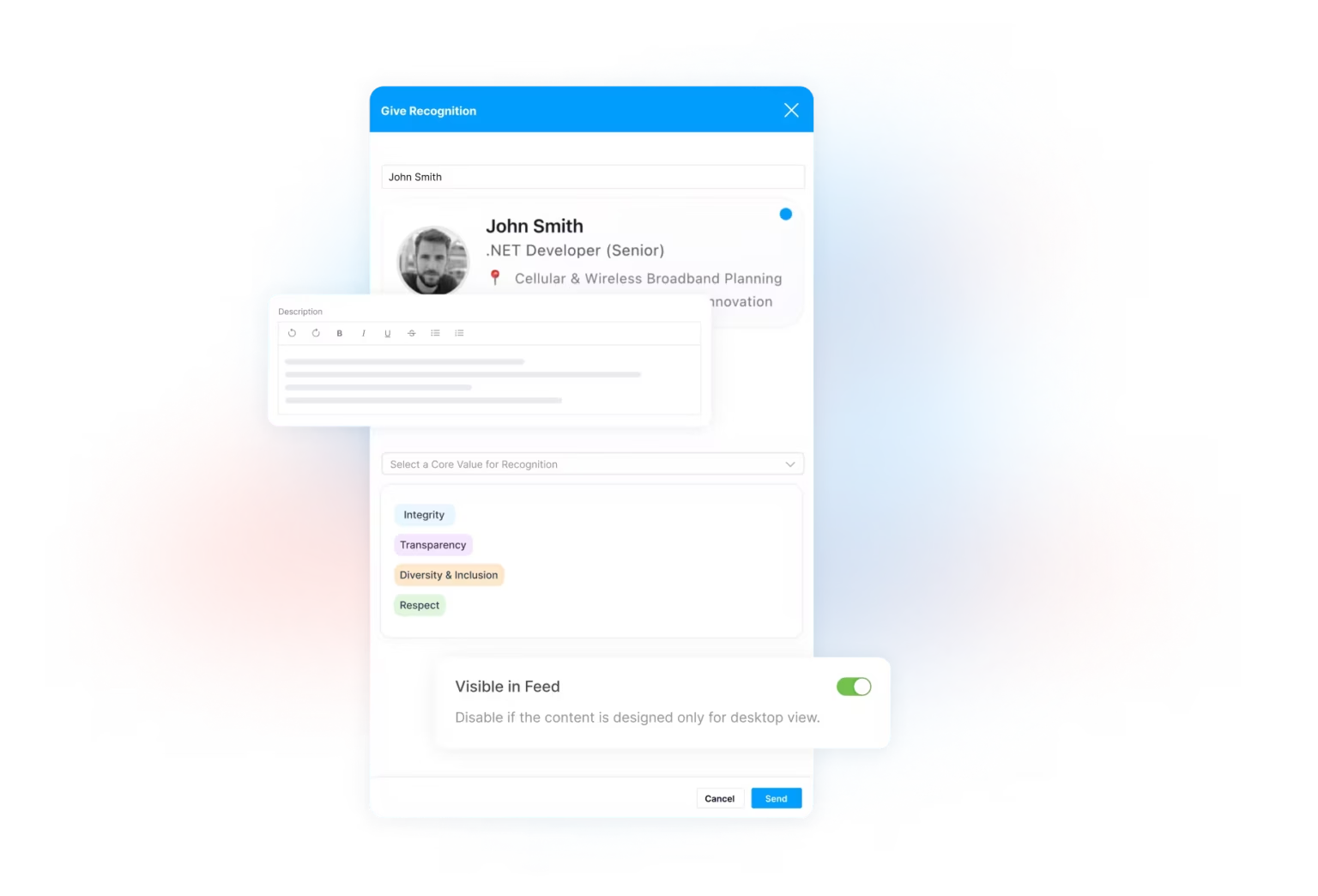
Recognition is directly linked to company values, turning culture into observable behavior.
CULTURAL MEASUREMENT
Track how consistently employees demonstrate company values through structured Value Engagement reviews.
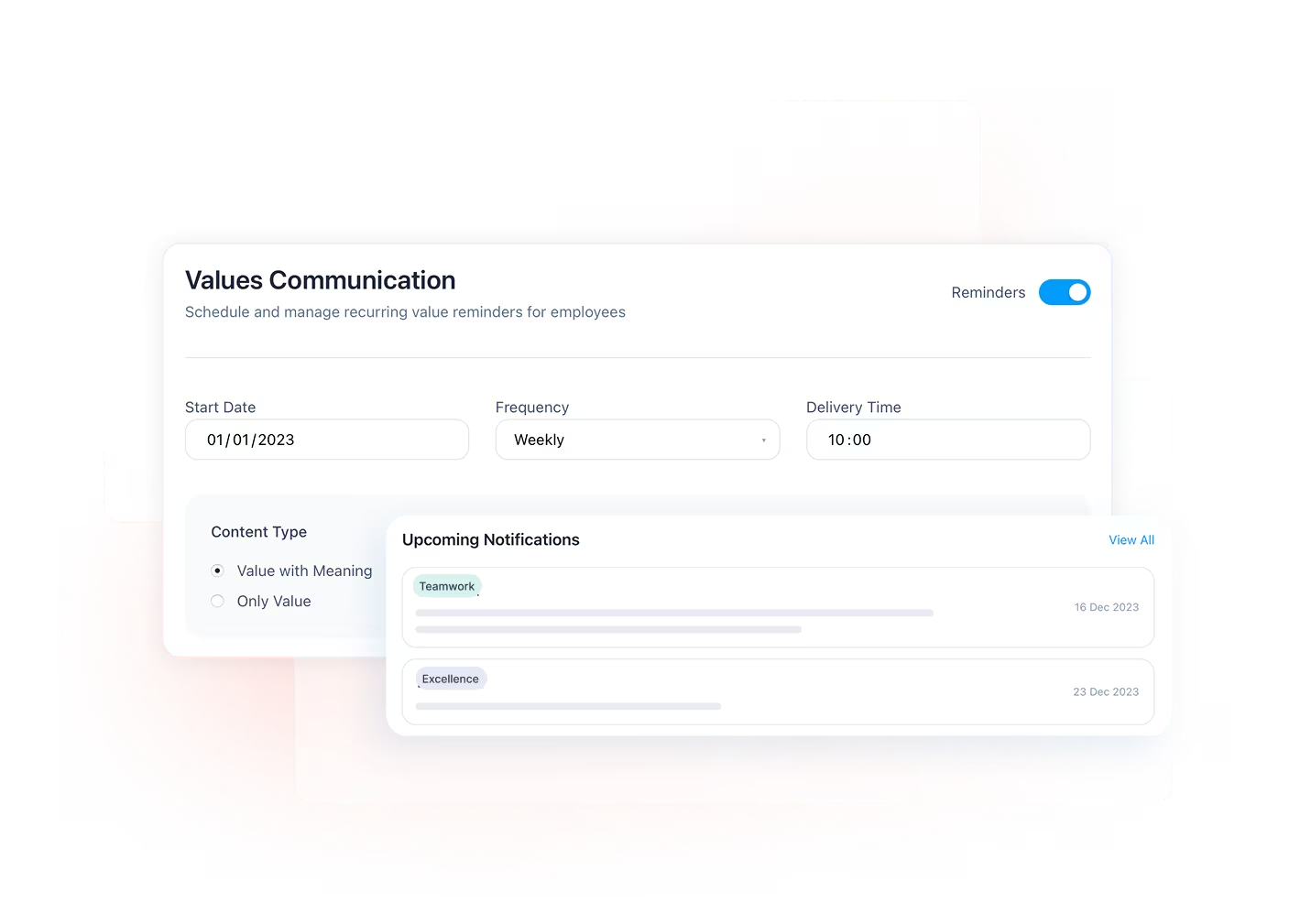
CULTURAL ENGAGEMENT
Evaluate how consistently employees demonstrate company values and turn culture into an operational system.
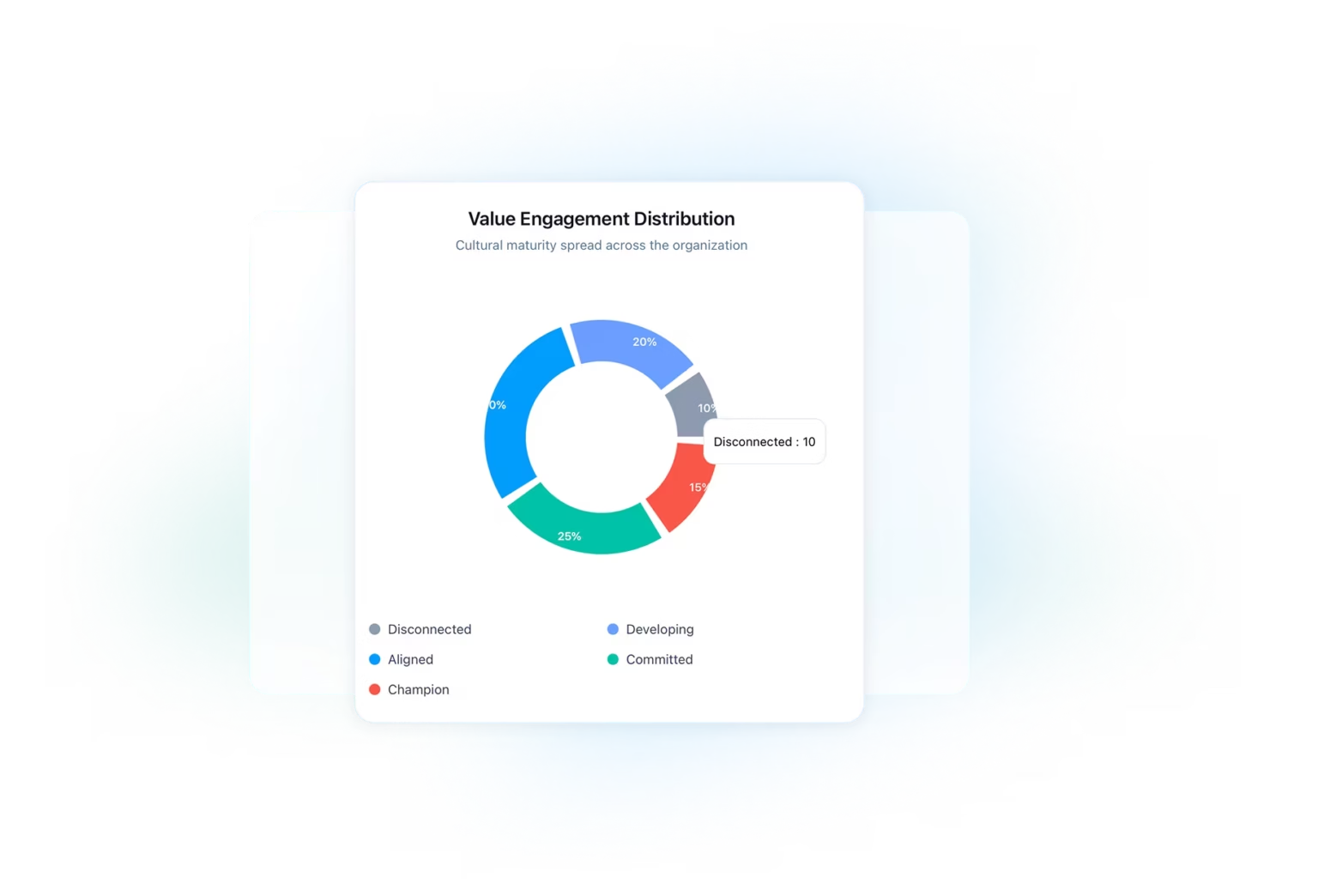
When teams grow, culture drifts. Keep alignment consistent as your organization expands.
FAQ
Publishing values defines intent. This module operationalizes them. Values are reinforced through reminders, recognition, evaluation, and measurable engagement tracking. Instead of being static statements, they become observable behaviors inside daily work.
When recognizing a colleague, employees select the company value that was demonstrated. That recognition becomes visible in the company feed, reinforcing cultural alignment publicly and consistently across teams.
Yes. The structured progression (Disconnected → Developing → Aligned → Committed → Champion) provides a clear framework, but organizations can define evaluation criteria based on their own cultural standards and expectations.
Managers conduct structured Value Engagement reviews. They assess how values are demonstrated in real work behaviors, moving evaluation from subjective impressions to observable alignment.
When behaviors are clearly linked to values, expectations become consistent. Employees understand what alignment looks like in practice. Managers gain visibility into engagement trends. Leadership can track cultural consistency as the organization scales.
All cultural messaging and reinforcement cycles are recorded. This creates continuity across teams and locations, ensuring messaging stays consistent even as the organization grows.
That depends on your operational rhythm. Most organizations align reviews with performance cycles (quarterly or biannually), but reinforcement reminders and recognition happen continuously.